
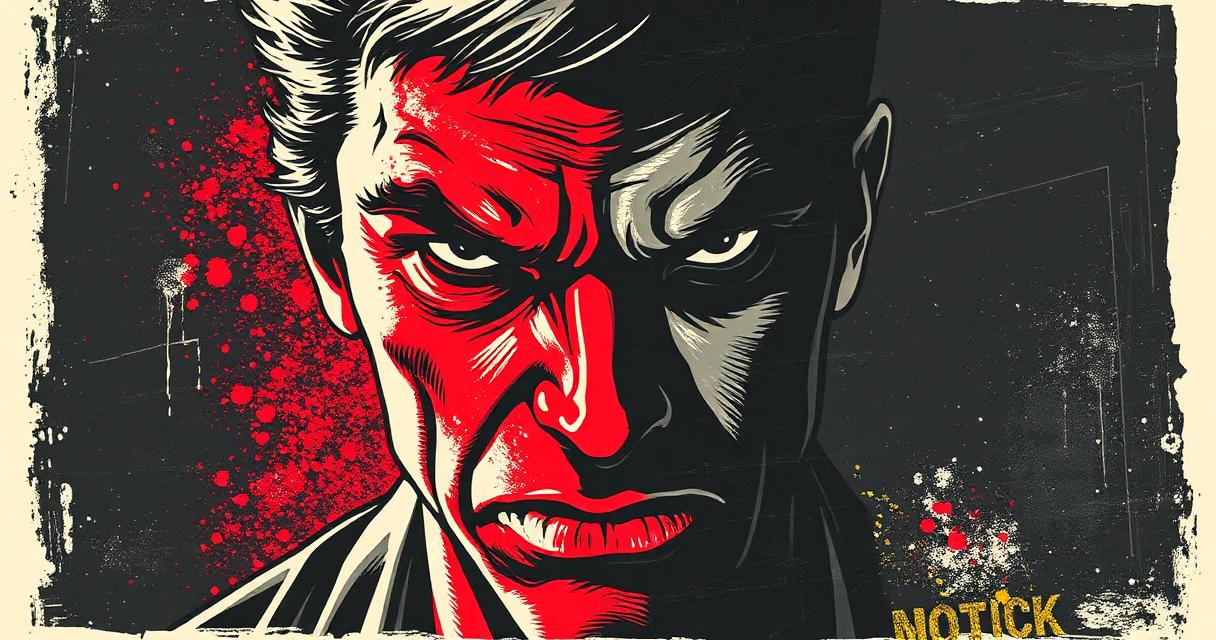
It rarely looks like sadness
Most people picture depression as crying or staying in bed. In men, it more often shows up as anger, irritability, or numbness. Many men are taught early that sadness is weakness, so the pain gets routed into something that feels more acceptable — a short fuse, throwing themselves into work, drinking, or shutting down entirely. The illness is the same. The mask is different.
What are warning signs to watch for?
No one has all of these, and a bad week isn't depression. But when several stick around for more than two weeks, it's worth paying attention:
- Anger, irritability, or a short fuse
- Numbness — feeling nothing instead of sad
- Pulling away from friends and family
- Drinking more, or new risk-taking
- Exhaustion and trouble sleeping
- Loss of interest in things you used to enjoy
- Unexplained aches, pains, or stomach issues
- Talking about being a burden
Why do men hide it?
Stigma, plain and simple. Men are far less likely to seek help, name what they're feeling, or tell anyone they're struggling — and they die by suicide at roughly four times the rate of women. The silence isn't strength. Naming what's happening is the first real move toward getting out of it.
How to help — yourself or someone else
If it's you: tell one person, or talk to a doctor or therapist. Depression is treatable, and it does not mean you're broken. If it's someone else: ask "how are you really doing?" and listen without rushing to fix it. If they mention not wanting to be here, ask directly and stay with them — being asked lifts the weight, it doesn't plant the idea.
In crisis right now? Help is free, confidential, and available 24/7.
Keep reading
Common questions
- What are warning signs to watch for in men?
- Irritability and a short fuse, withdrawing from people, drinking or risk-taking, exhaustion, trouble sleeping, loss of interest, physical aches, and talking about being a burden. In men, the signal is often anger or numbness rather than visible sadness.
- Why does depression look like anger in men?
- Many men are taught from childhood that sadness is weakness, so the pain gets channeled into something that feels more acceptable — anger, control, or numbing out. The depression is still there; it's just wearing a different mask.
- How is depression different in men and women?
- The underlying illness is the same, but men are more likely to show irritability, aggression, substance use, and risk-taking, and less likely to talk about feeling sad. Men are also far less likely to seek help, which makes spotting the signs early critical.
- What should I do if I notice these signs?
- Say something simple and direct: "You don't seem like yourself — how are you really doing?" Listen without trying to fix it. If they mention not wanting to be here, ask plainly and connect them with the 988 Suicide & Crisis Lifeline.
Real stories, every day — you're not the only one.
Read the latest